Toxin binder importance for dairy animals
Herd health,
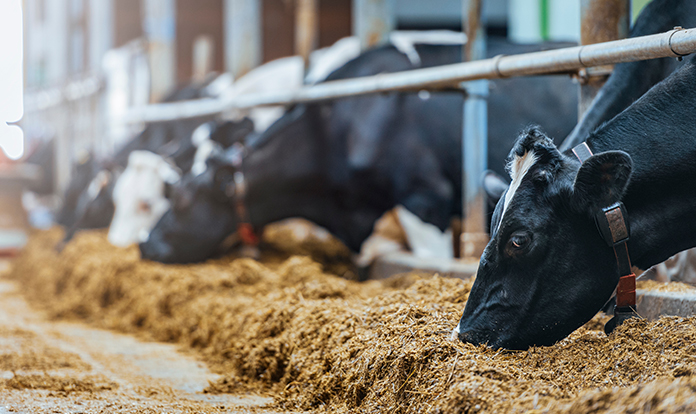
Dairy animals are valuable assets for dairy farmers, and their health and productivity are critical to the success of the dairy operation. Unfortunately, toxins in their feed and environment can damage both. Toxins are naturally occurring or man-made substances that can harm animals, leading to reduced productivity and higher veterinary expenses.
Toxins are present in feed, water and air. Mycotoxins are the most common toxins in feed. They are produced by fungi that grow on crops such as corn, wheat and soybeans, and they can cause a wide range of health problems in dairy animals, including reduced feed intake, decreased milk production and reproductive problems.
What a toxin binder does
To prevent the harmful effects of toxins, farmers can add a toxin binder to the diet. A toxin binder is a feed additive that binds to toxins in the animal's digestive tract and prevents their absorption into the bloodstream, so they cannot harm the animal's health and productivity.
Toxin binders come as powders, granules and liquids. The right type depends on the specific needs of the animals and the toxins present in their feed. Work with a veterinarian to choose the appropriate binder and dosage.
The benefits
First, a binder protects the animal's health by preventing the harmful effects of toxins. Second, it can improve feed efficiency, reducing the feed needed for the same level of productivity. Third, it can increase milk production by improving the animal's overall health. Finally, it can reduce veterinary expenses by cutting toxin-related health problems.
In short, a toxin binder is critical to keeping dairy animals healthy and productive, and it supports a more profitable and sustainable dairy operation.
Next article
What is the importance of DCP for dairy animals?