What is the importance of DCP for dairy animals?
Dairy,
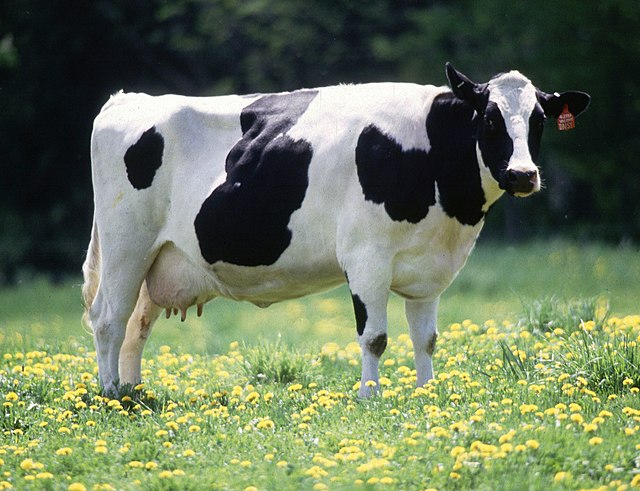
Di-calcium phosphate (DCP) is an important mineral supplement commonly used in the diets of dairy animals. It is a source of both calcium and phosphorus, which are essential for the health and productivity of dairy cows.
Calcium and phosphorus are two of the most important minerals for dairy cows. They are needed for strong bones, teeth and hooves. Calcium is also critical for muscle function, nerve function and blood clotting. Phosphorus plays a key role in energy metabolism, cell growth and repair, and milk production. Cows need these nutrients in significant amounts, particularly during high milk production.
Why feed alone may not be enough
Cows get calcium and phosphorus from their feed, but not always in sufficient quantities. Availability also depends on feed quality, the animal's age and stage of lactation, and environmental factors such as soil pH. This is where DCP comes in.
DCP is a highly bioavailable source of calcium and phosphorus, so the animal absorbs and uses it easily. It is usually added to the diet as a mineral supplement, alone or combined with other minerals such as magnesium or salt.
What DCP prevents
DCP helps prevent calcium and phosphorus deficiencies, which lead to a range of health problems. Low calcium can result in milk fever, which causes muscle weakness, loss of appetite and even death if untreated. Low phosphorus can lead to reduced milk production, poor reproductive performance and skeletal problems such as weak or brittle bones.
DCP can also help improve milk quality, overall health and immune function. Some studies suggest it may help reduce certain metabolic disorders, such as ketosis and fatty liver.
Work with your nutritionist or veterinarian to build a diet plan that meets your animals' specific needs, including DCP where needed.
Next article
Toxin binder importance for dairy animals